
Outdoor Learning
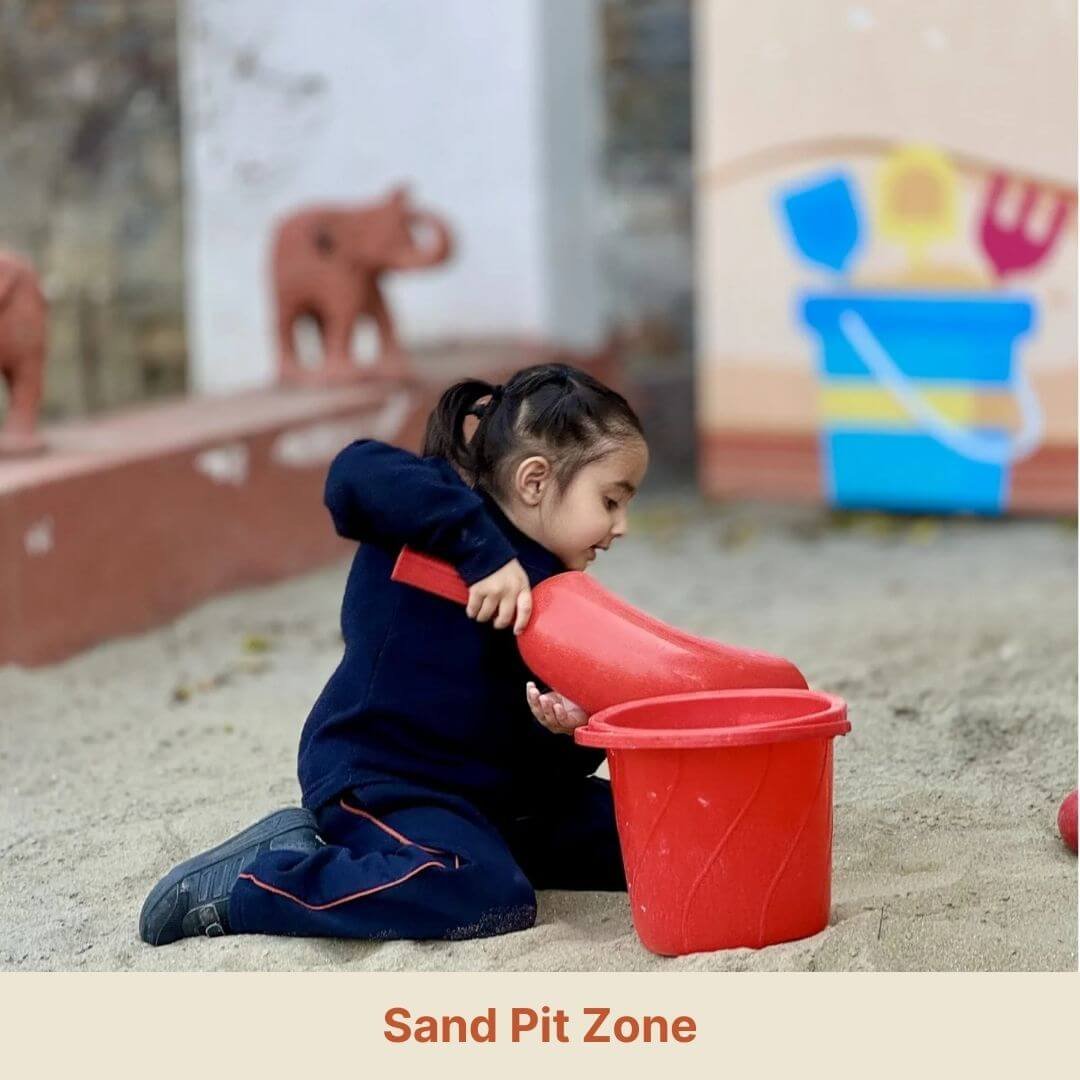
Sand Pit Zone
As fingers sift through sand and tiny hands build with joy, children learn that creation begins with curiosity and the courage to get their hands dirty.
At Manaskriti School, spaces are designed as experiences. They invite children to imagine, create, question, test, express and discover with freedom, structure and wonder.
From labs and studios to green zones, performance spaces and quiet corners, learning moves beyond the classroom and becomes part of the child’s everyday world.
Children learn deeply when they can touch, move, observe, build, perform, reflect and collaborate. Our spaces are created to make learning visible, active and meaningful.
Each space has its own role in the child’s journey — some invite discovery, some build discipline, some open expression, and some simply help children feel rooted.
As fingers sift through sand and tiny hands build with joy, children learn that creation begins with curiosity and the courage to get their hands dirty.
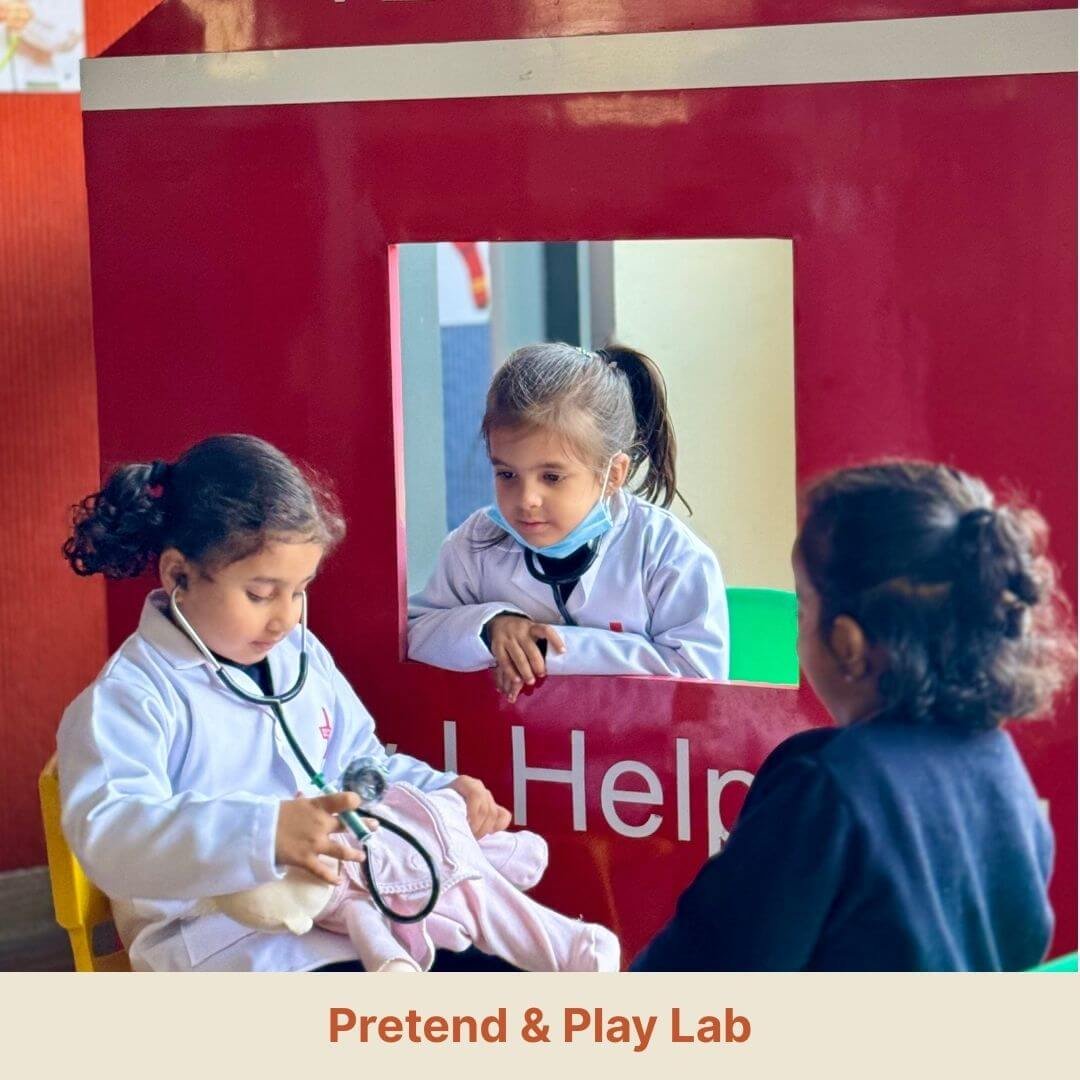
Here, imagination is not a break from learning — it is learning. Through role-play, children make sense of the world, one story at a time.
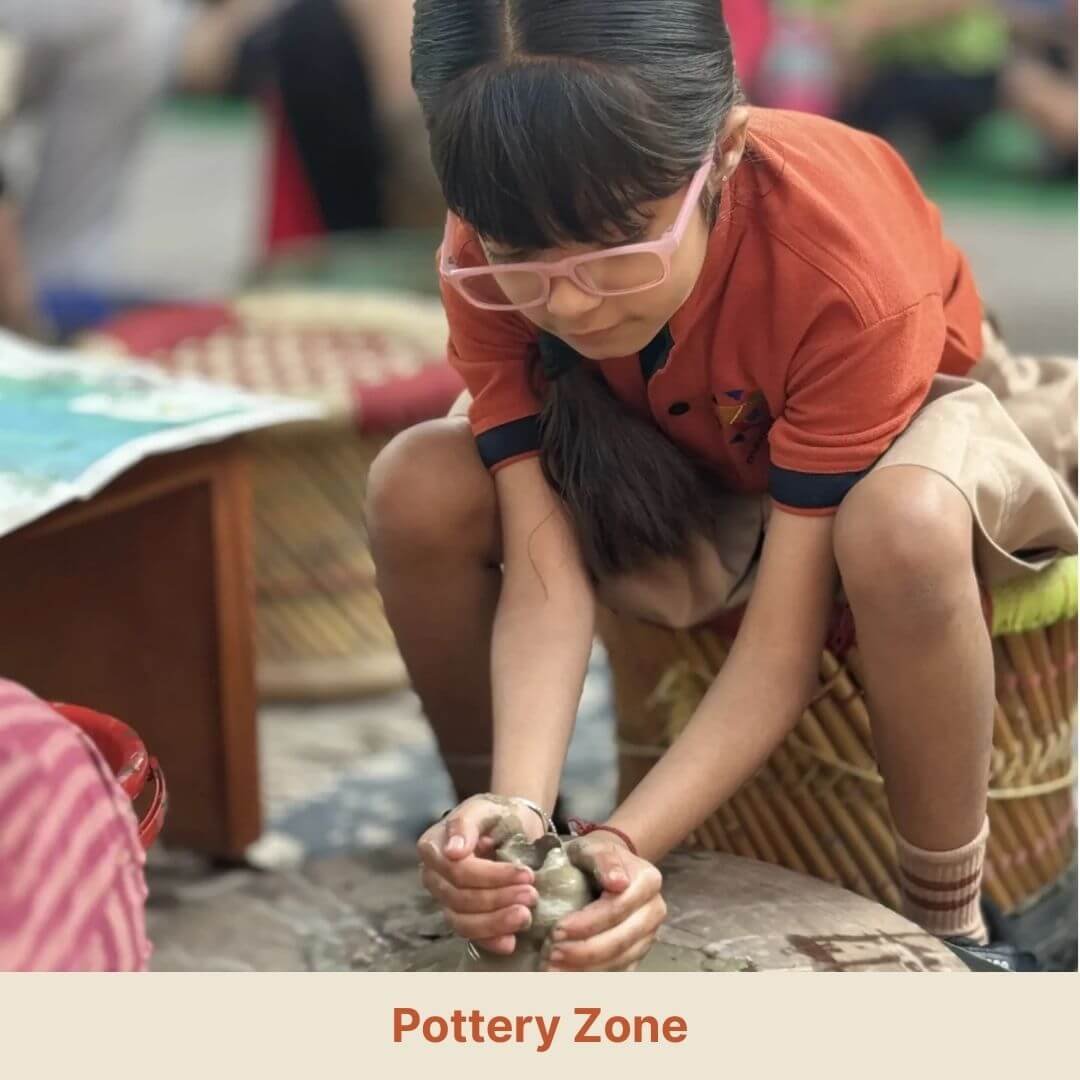
From formless clay to thoughtful creation, children experience the patience of process and the joy of making something meaningful.
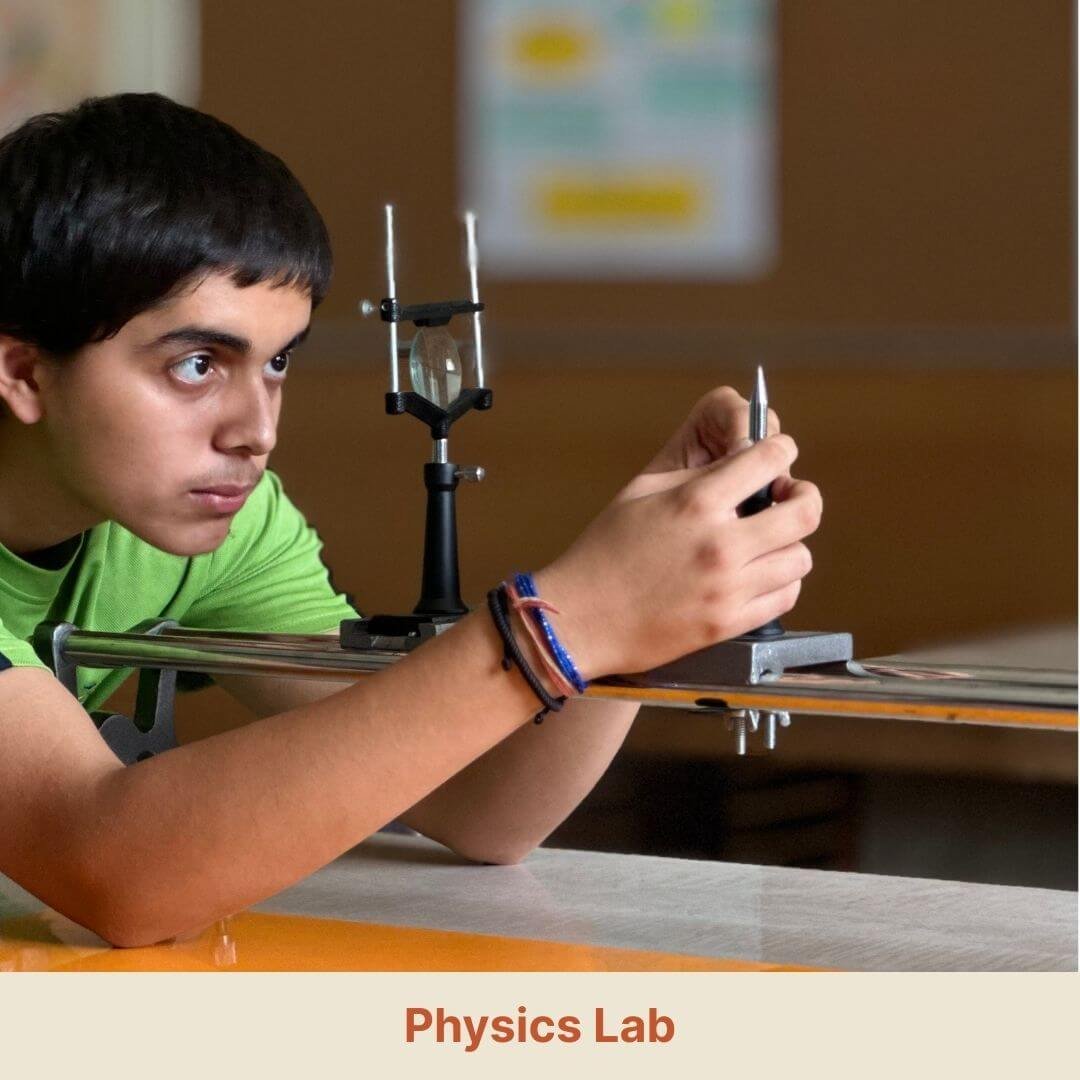
Through motion, force and energy, children understand that learning is not just theory — it is something they can feel and test.
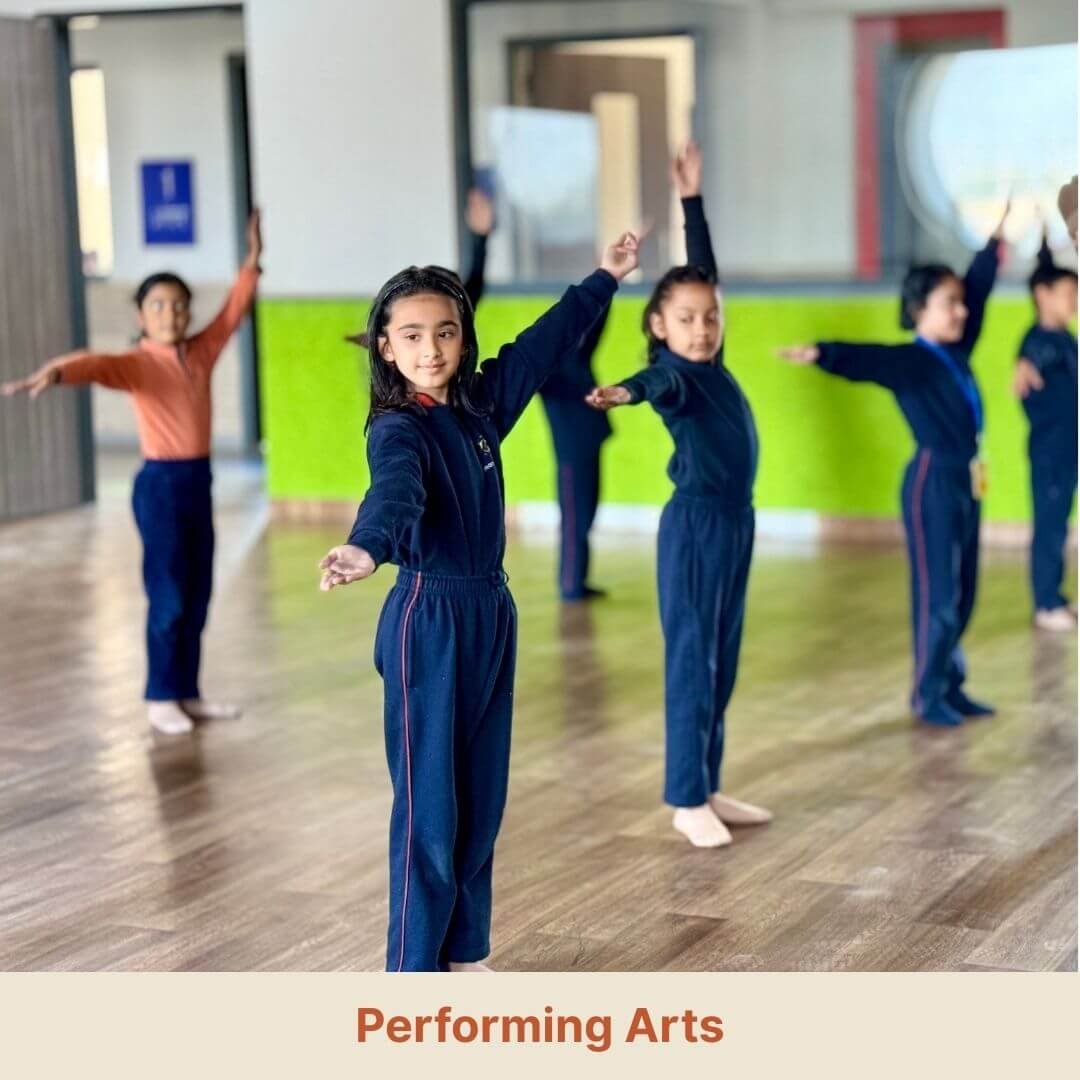
On this open floor, confidence grows with each step. Children discover the power of presence, voice and self-expression.
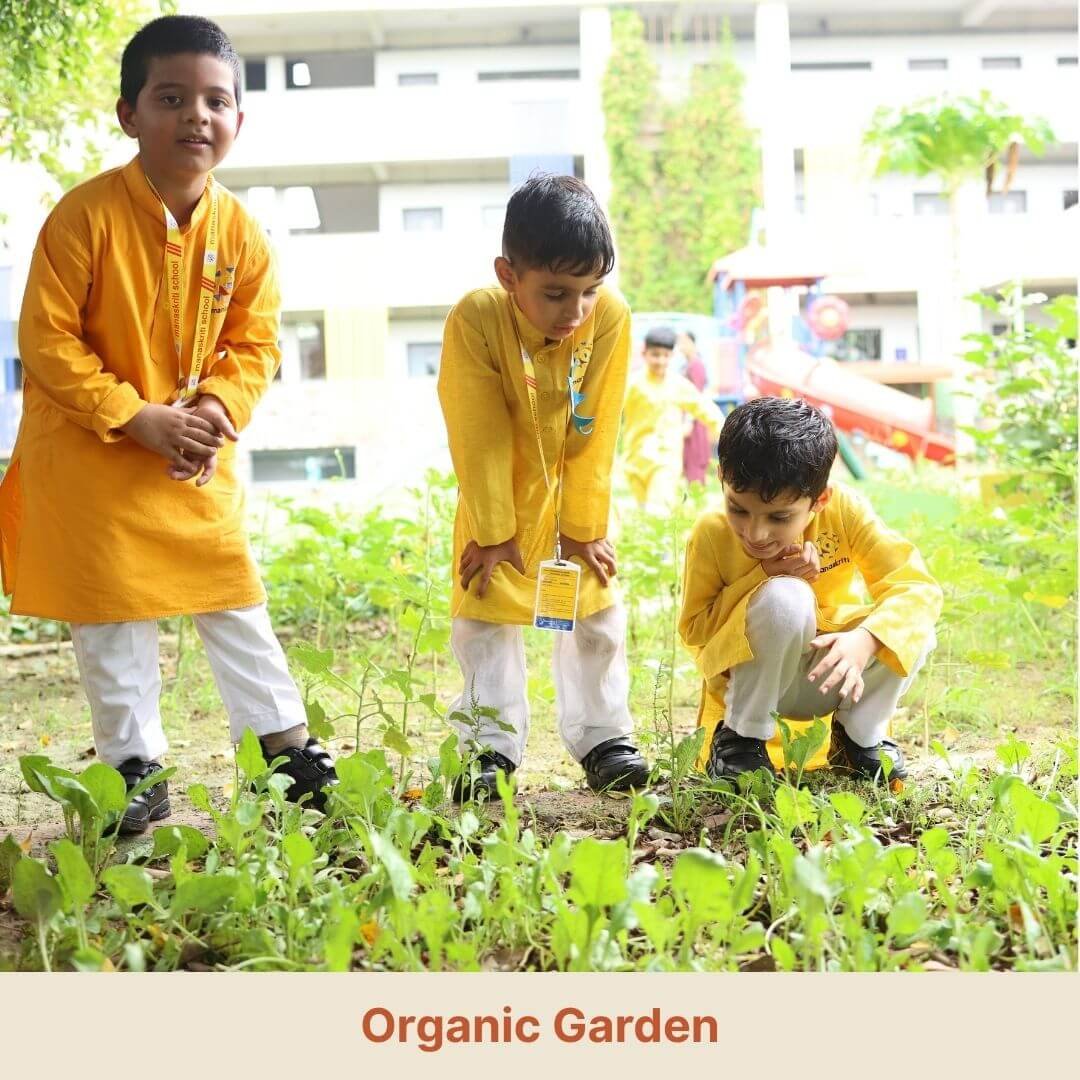
In the garden, children learn to nurture — and in caring for the earth, they discover growth, patience and responsibility.
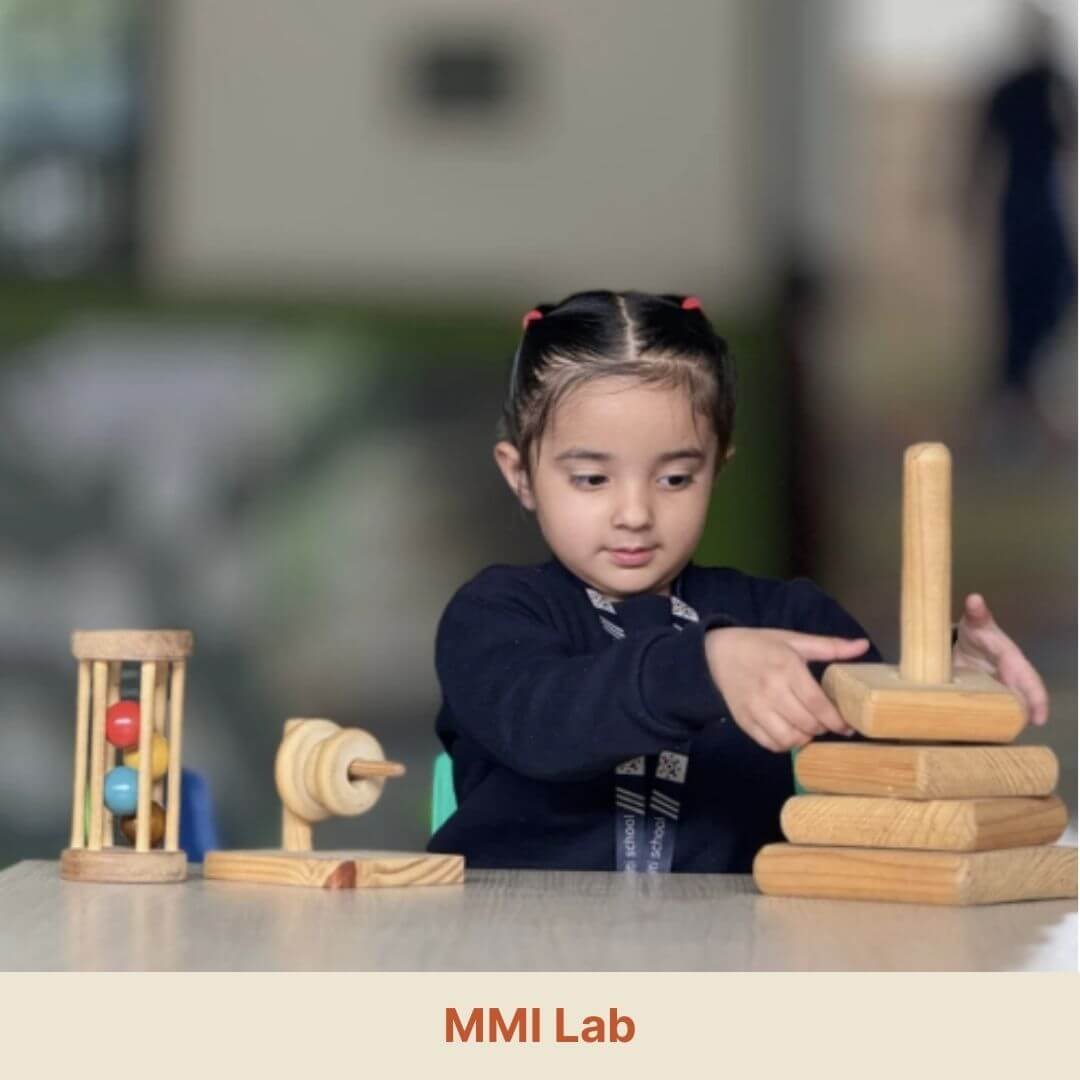
In this quiet, focused space, children learn to trust their hands and their choices — building independence, patience and care.
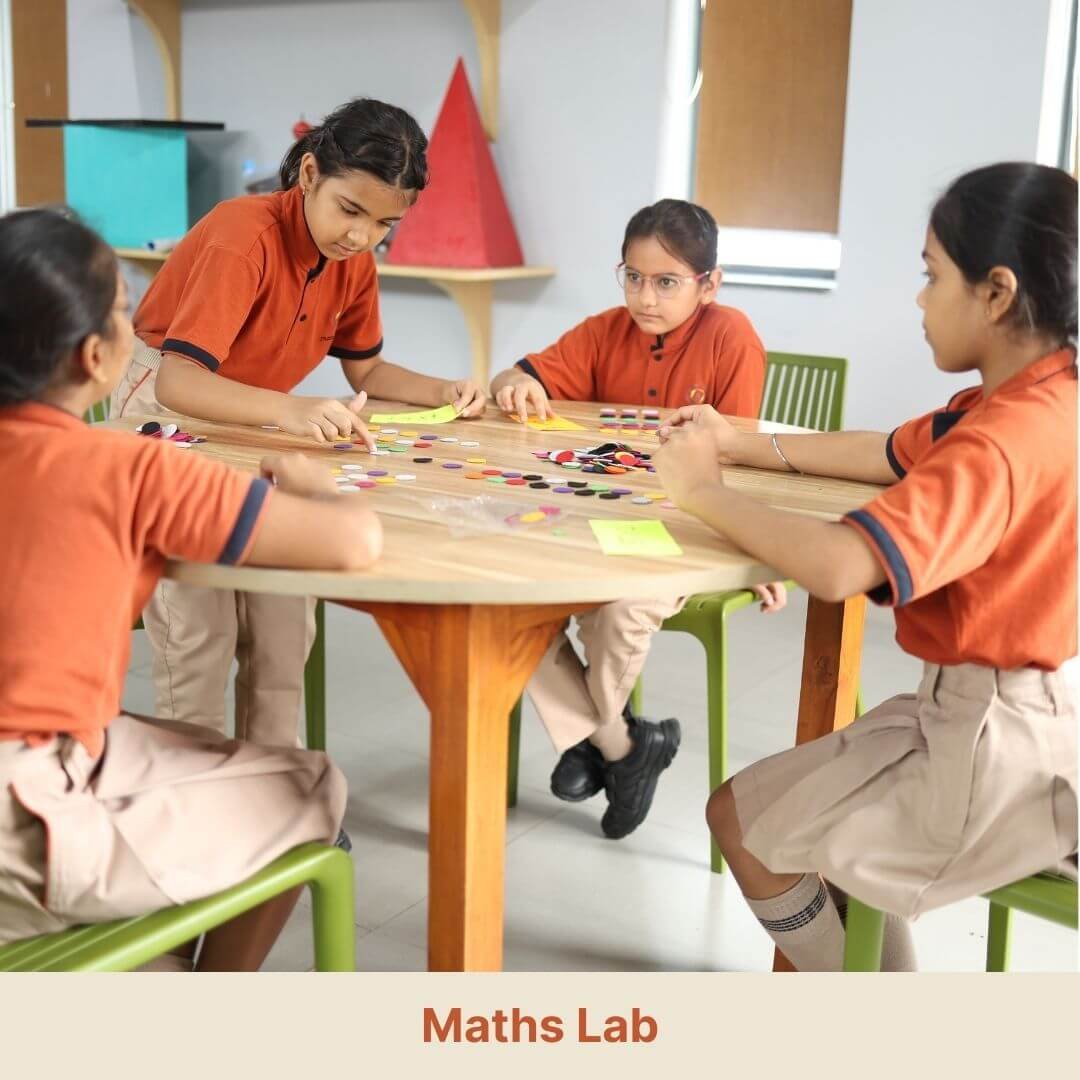
Numbers come alive through play. As children explore patterns and logic, they learn that problem-solving can be joyful.
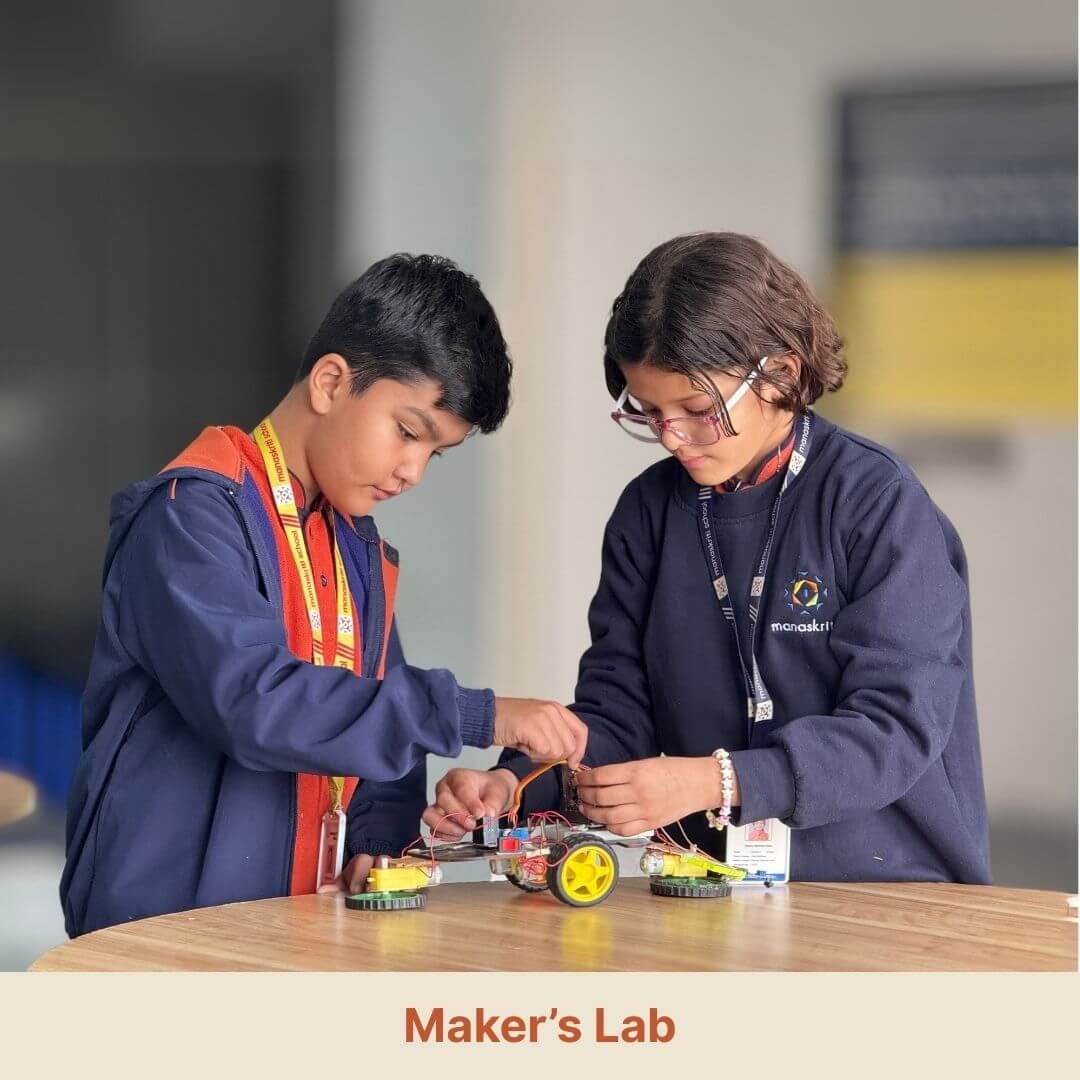
Here, ideas meet tools, and hands turn thoughts into reality. Children discover they can build, solve and shape their world.

In this space, curiosity leads the way. Through hands-on discovery, children learn not just facts, but how to think like explorers.
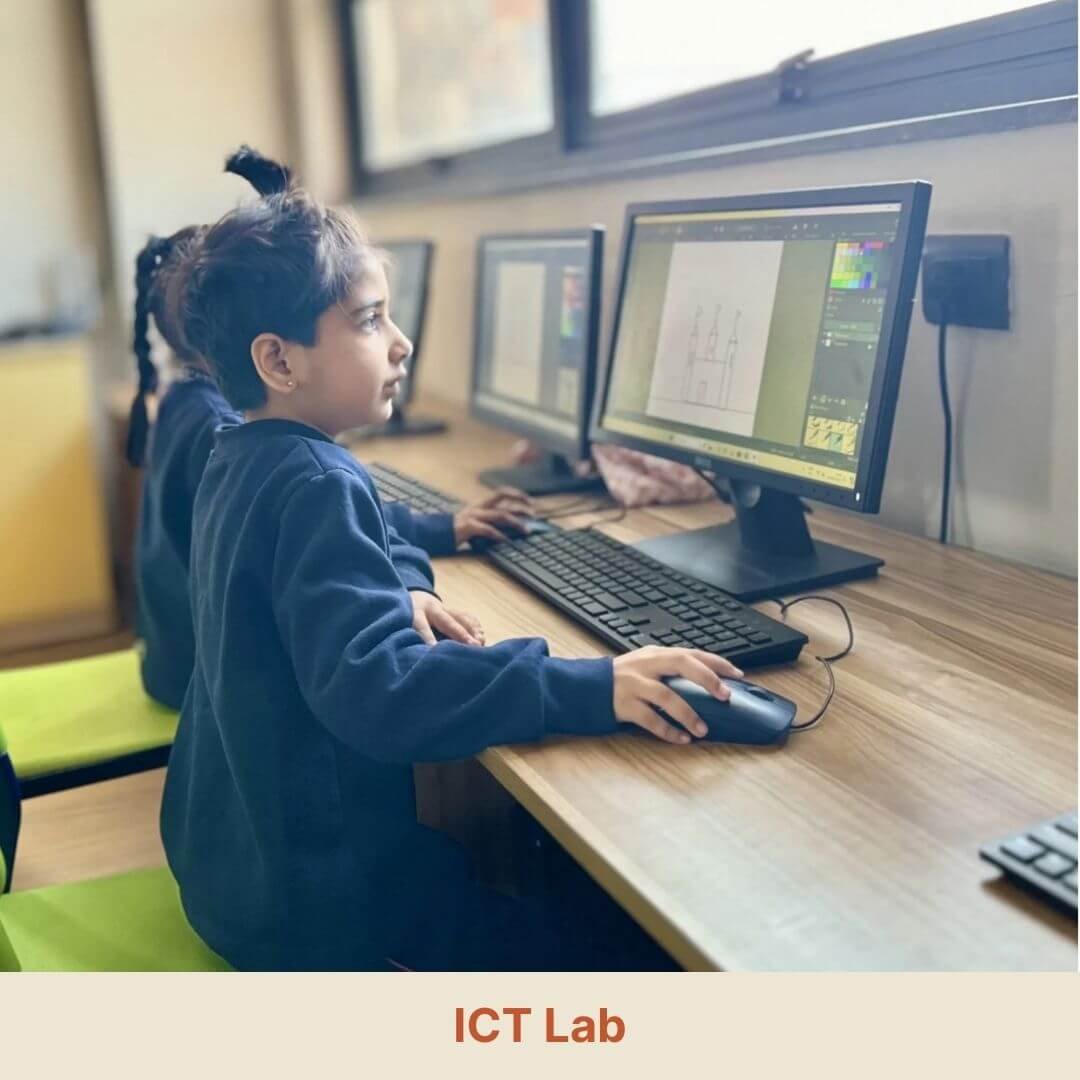
Technology becomes a tool for exploration. Children do not just use screens — they create, question and connect with the world beyond.
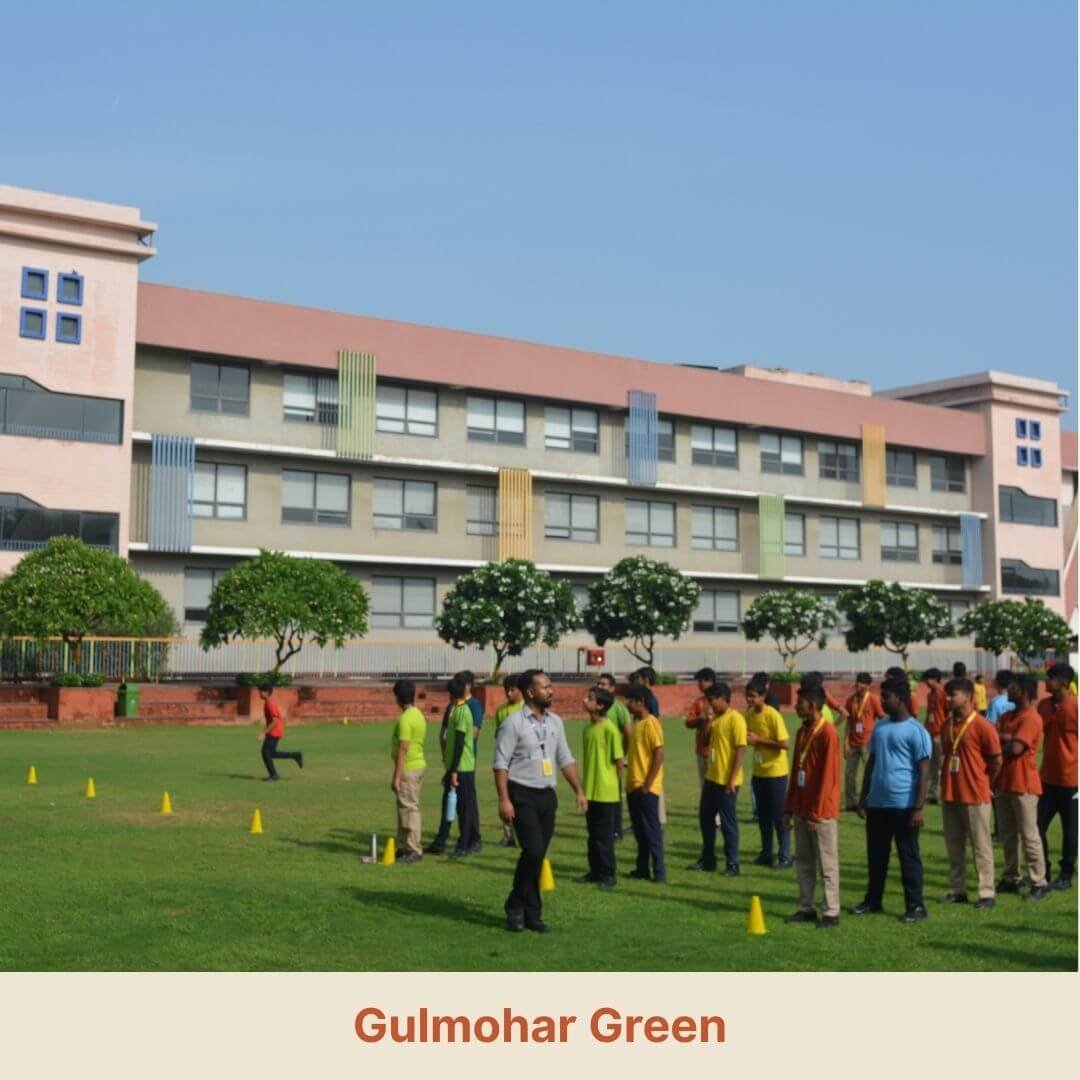
A place of openness and freedom — where children run, rest and reconnect with themselves under the open sky.
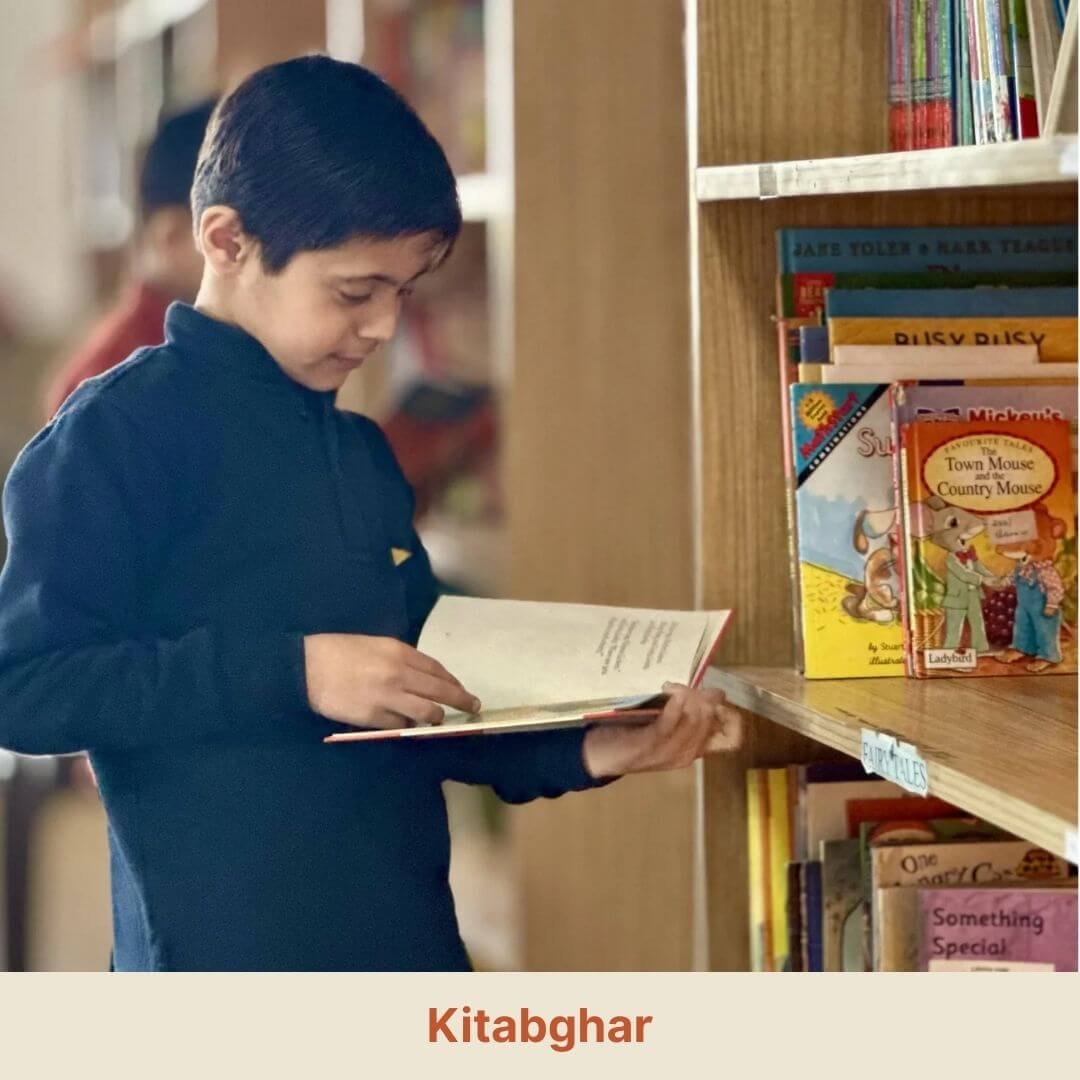
Among books and stories, children travel through ideas, emotions and dreams — finding both knowledge and comfort.

Experiments spark curiosity and awe. Here, children learn that change, like learning, happens step by step.
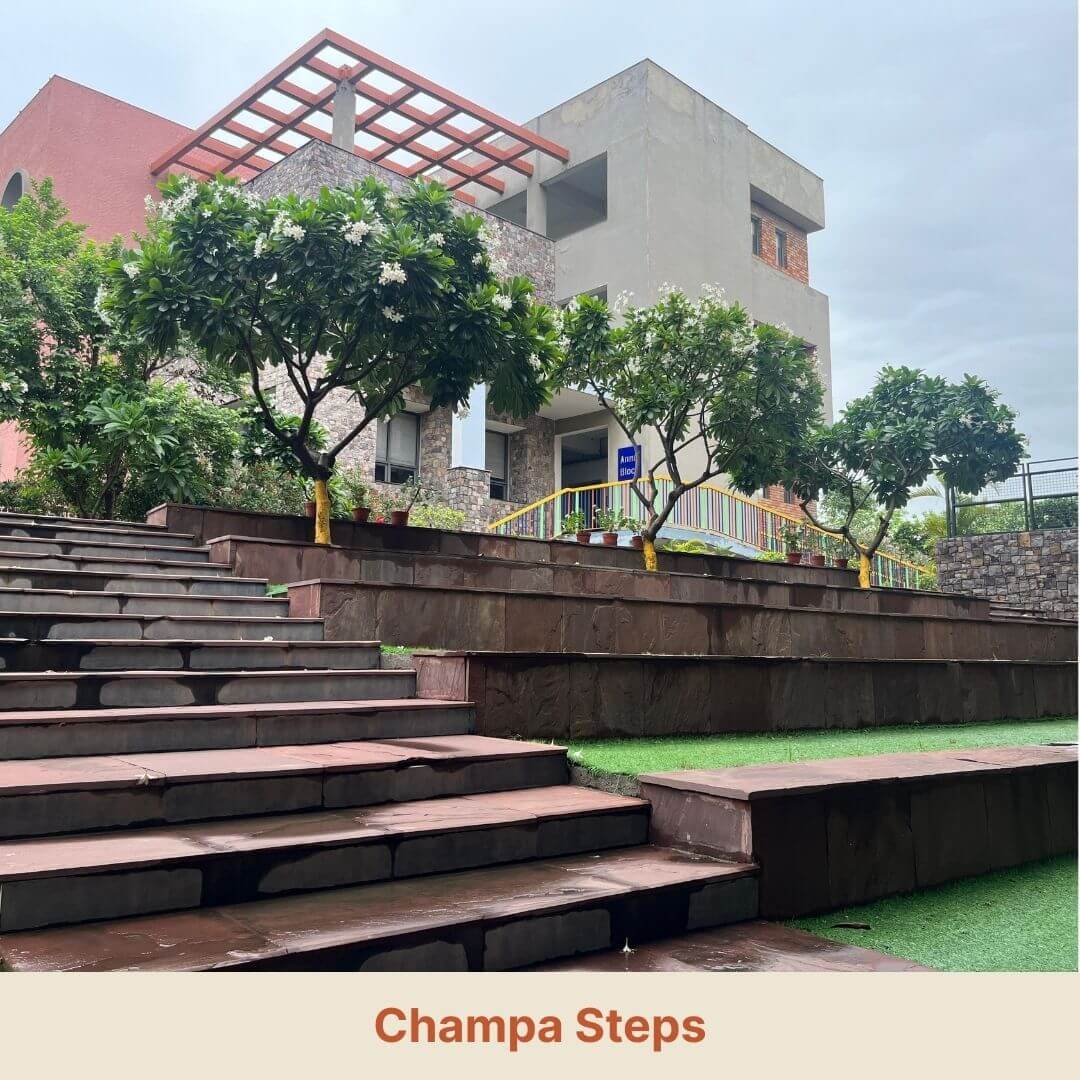
Where the gentle scent of Champa trees lingers, children sit, share and reflect — a quiet pause where friendships deepen and nature feels close.
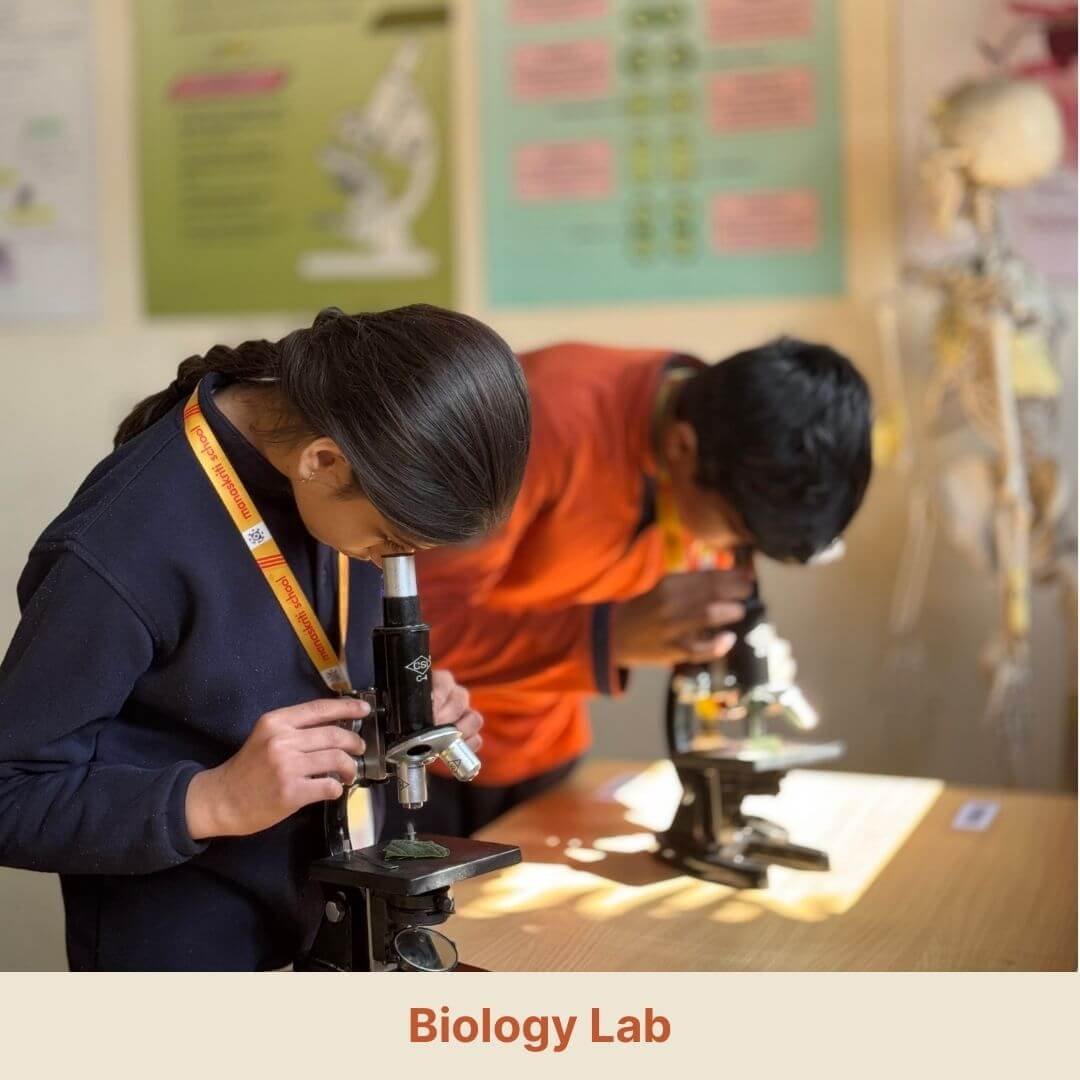
Looking through the microscope, children see life in its smallest form and learn to appreciate its quiet beauty.
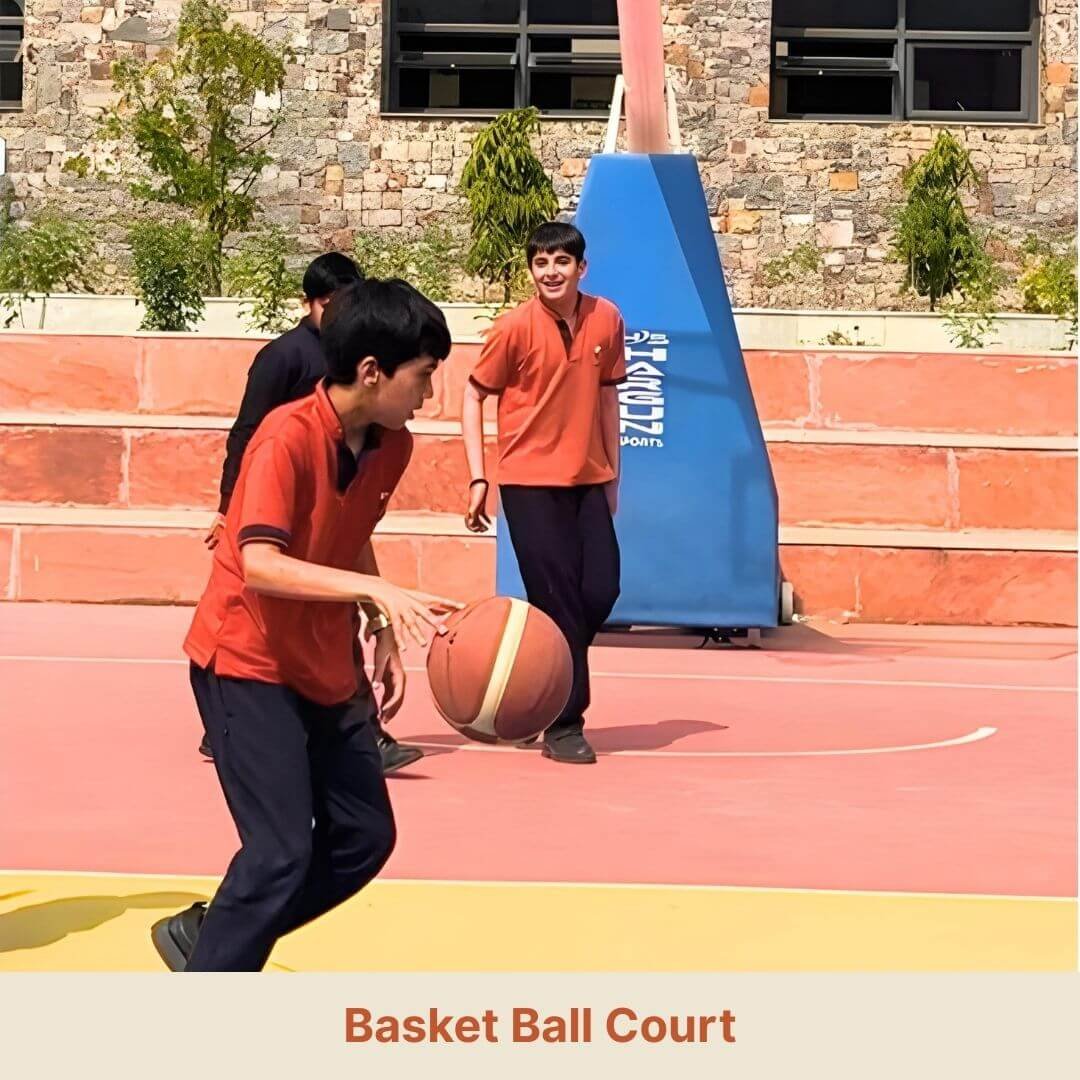
In every pass and play, children learn resilience, teamwork and the joy of striving — together.
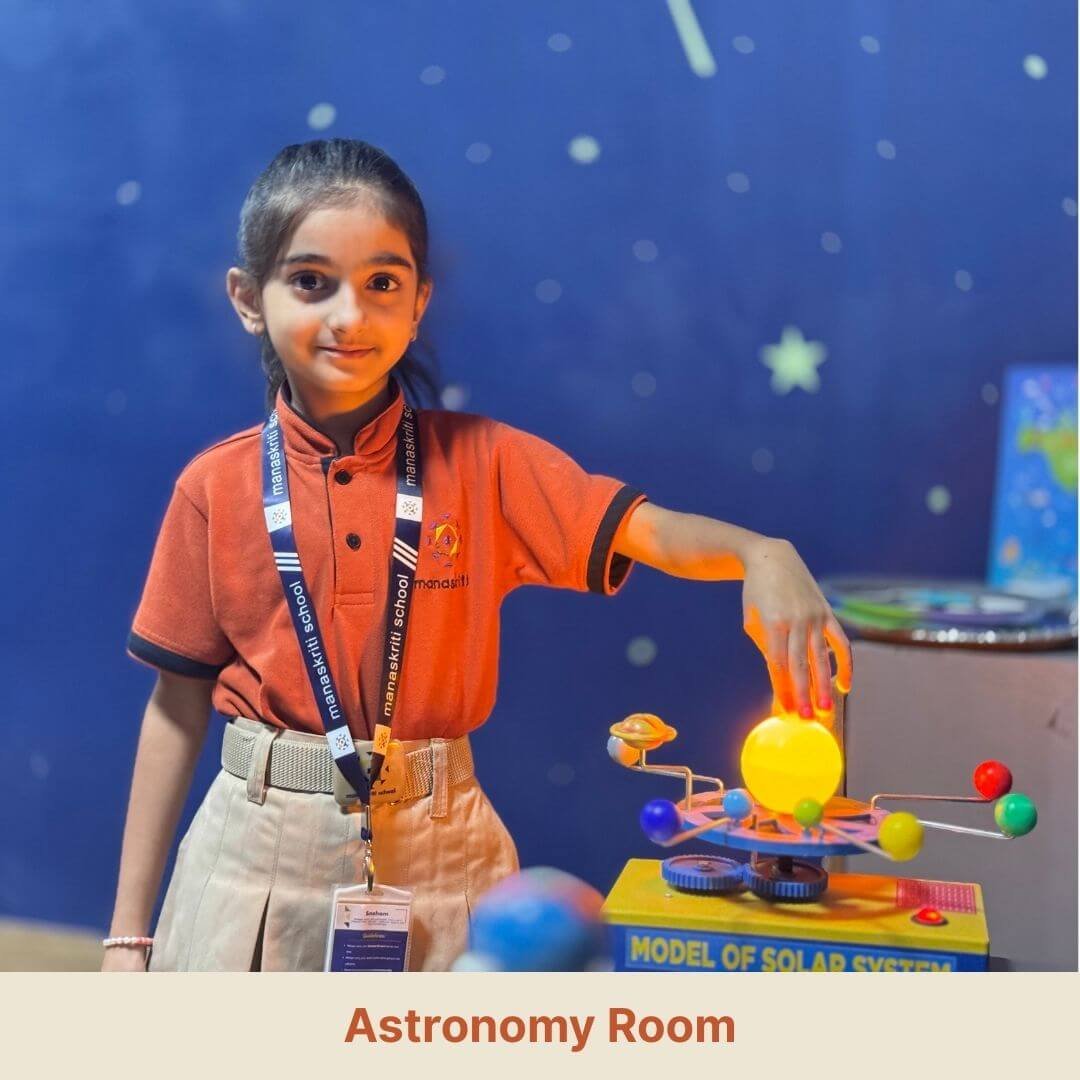
Under the gaze of distant stars, children dream beyond boundaries — learning that wonder is where all learning begins.
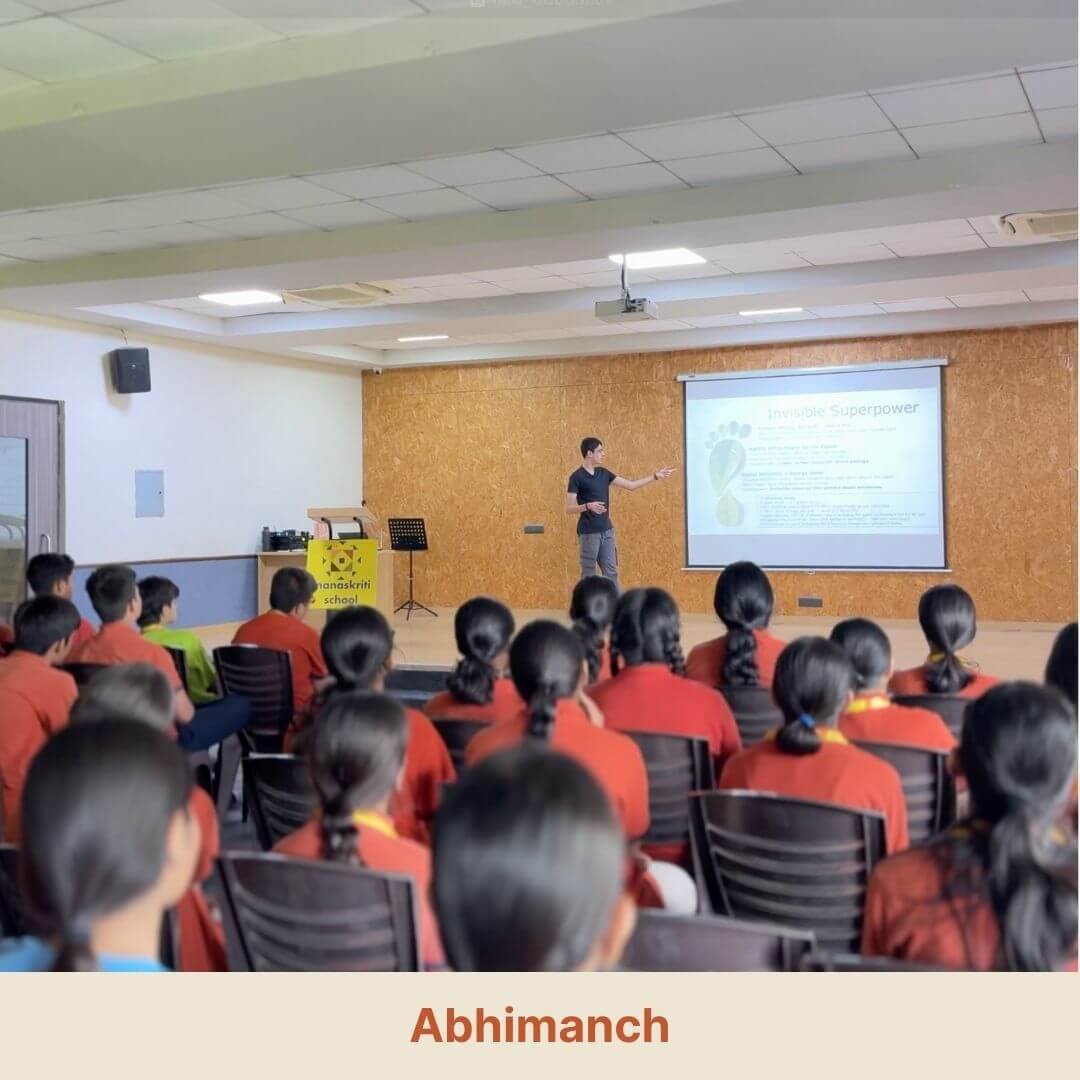
Here, young voices are heard. Through sharing and expression, children learn to stand tall — with ideas that matter.
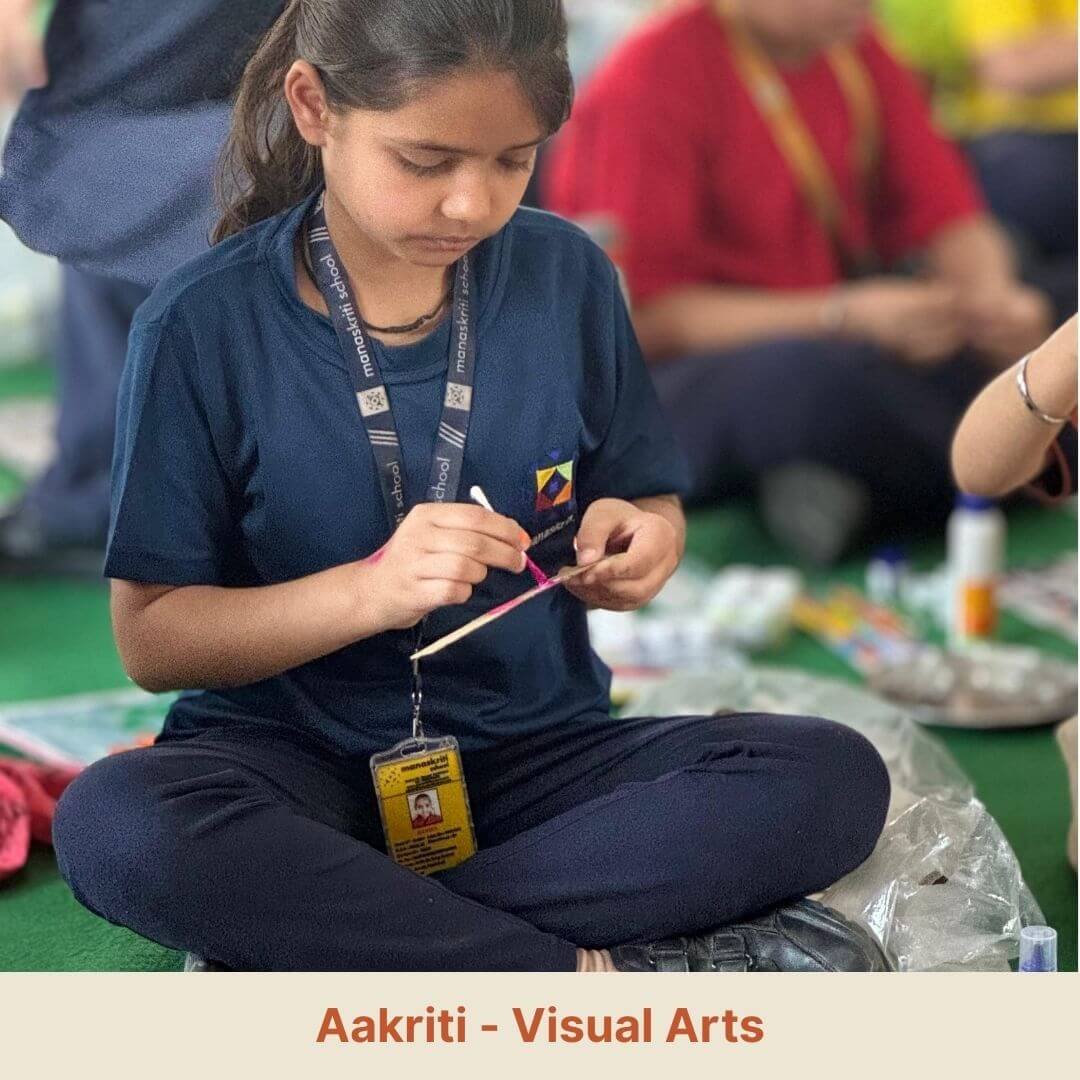
Here, feelings take form in colour and shape. Children express what words cannot, and every creation is uniquely their own.
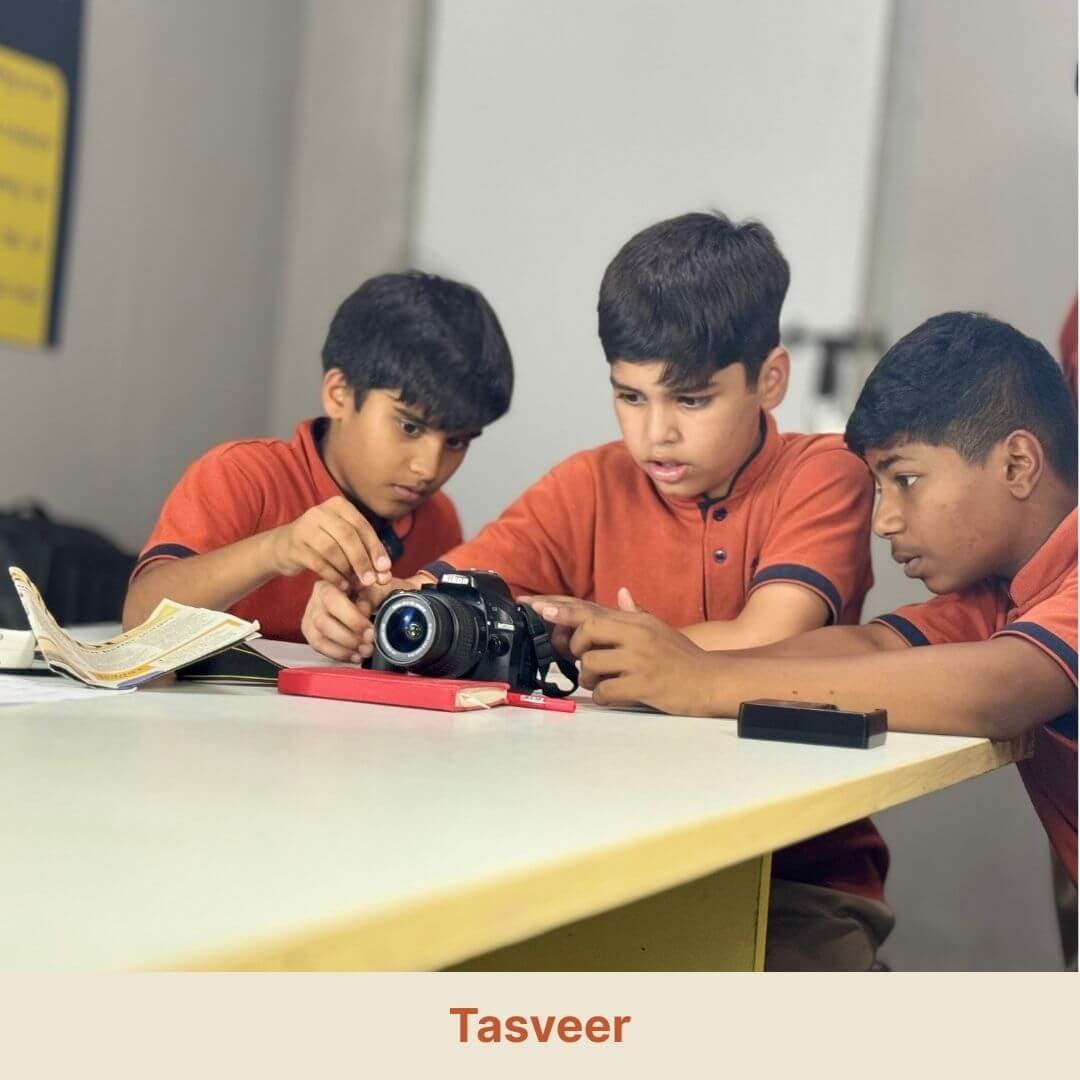
Behind every photograph is a story. Children learn to see the world deeply, noticing beauty in everyday moments.
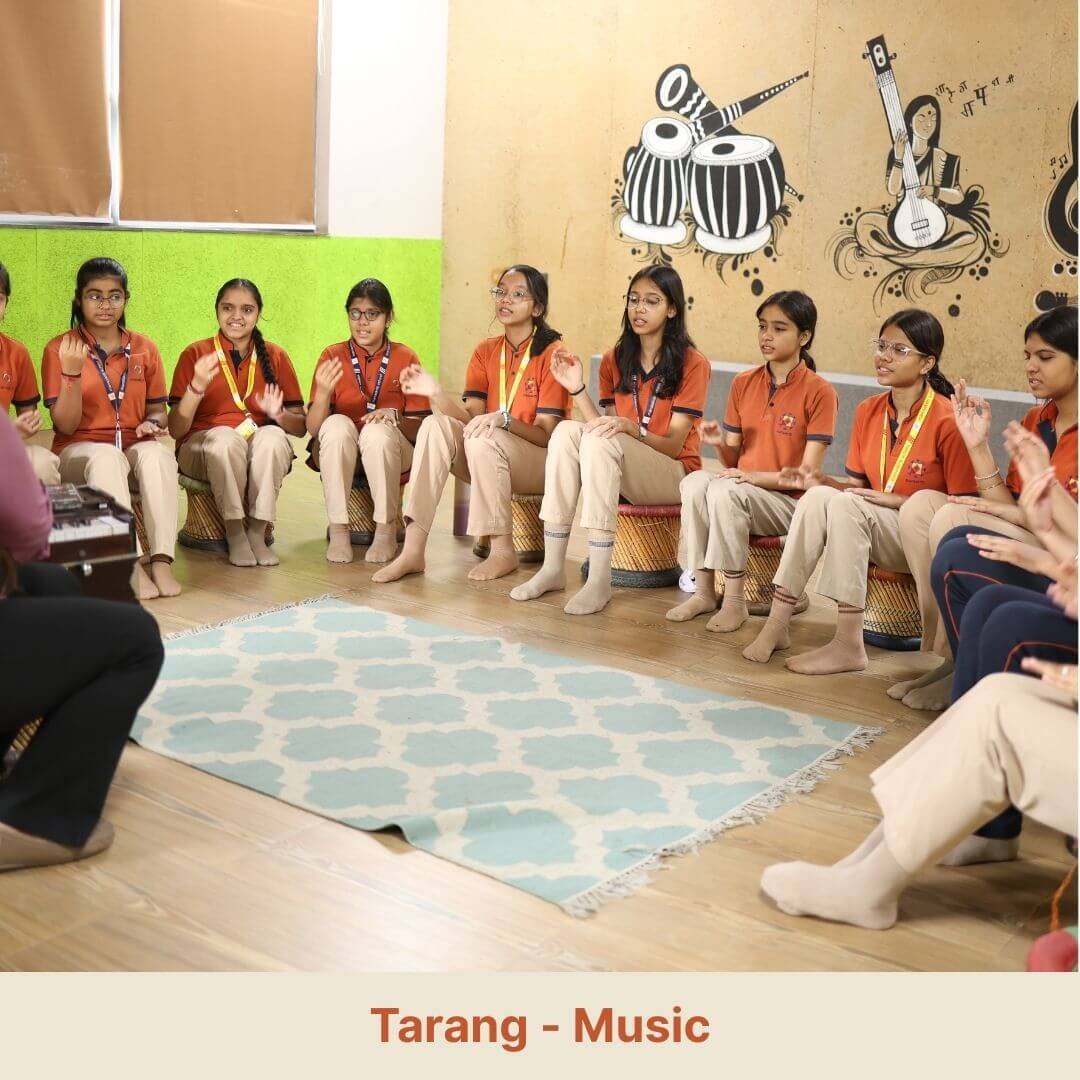
Music becomes a language of its own, helping children listen, feel and express — not just with words, but with heart.
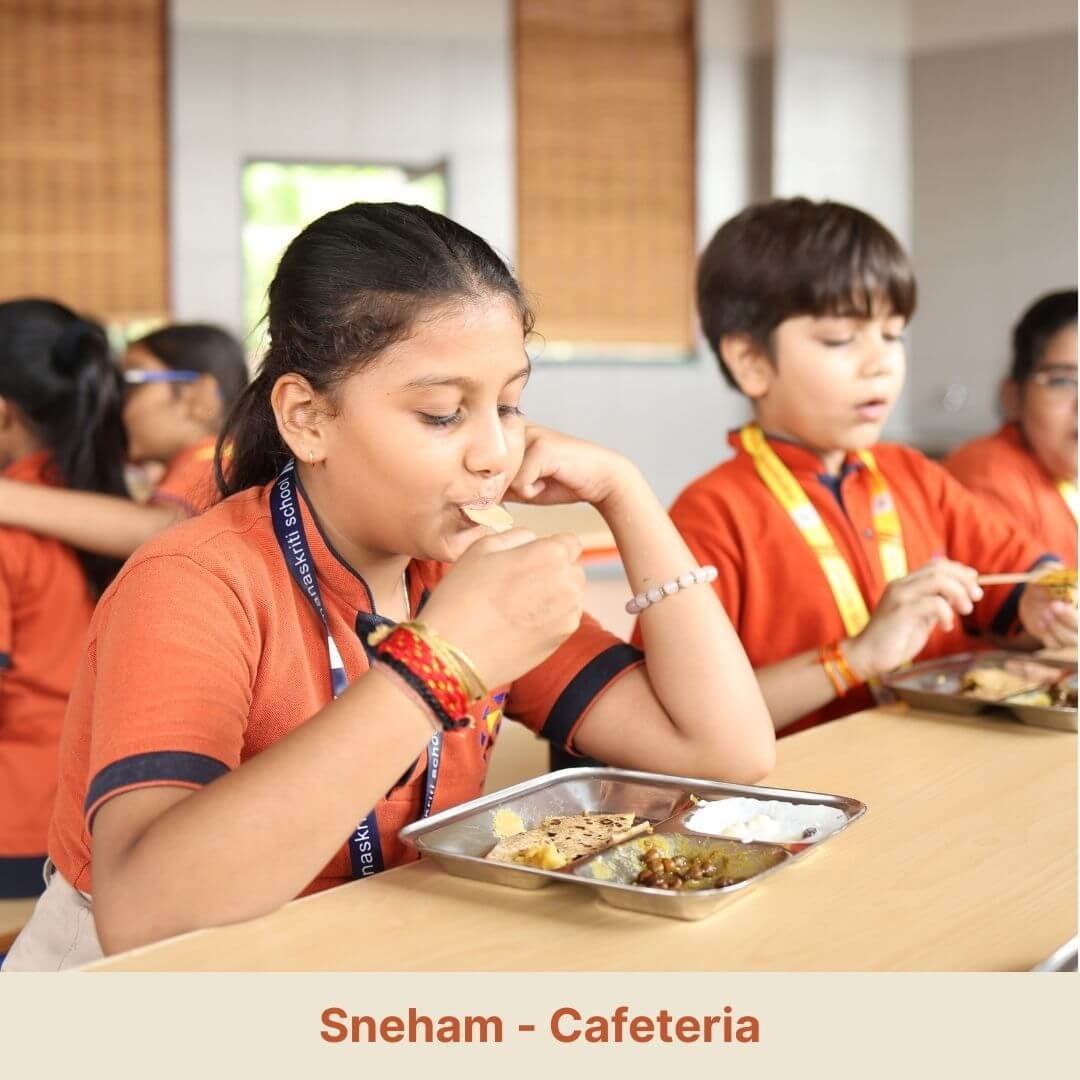
More than just a place to eat — it is where warmth is shared, bonds are built and every meal feels like care.
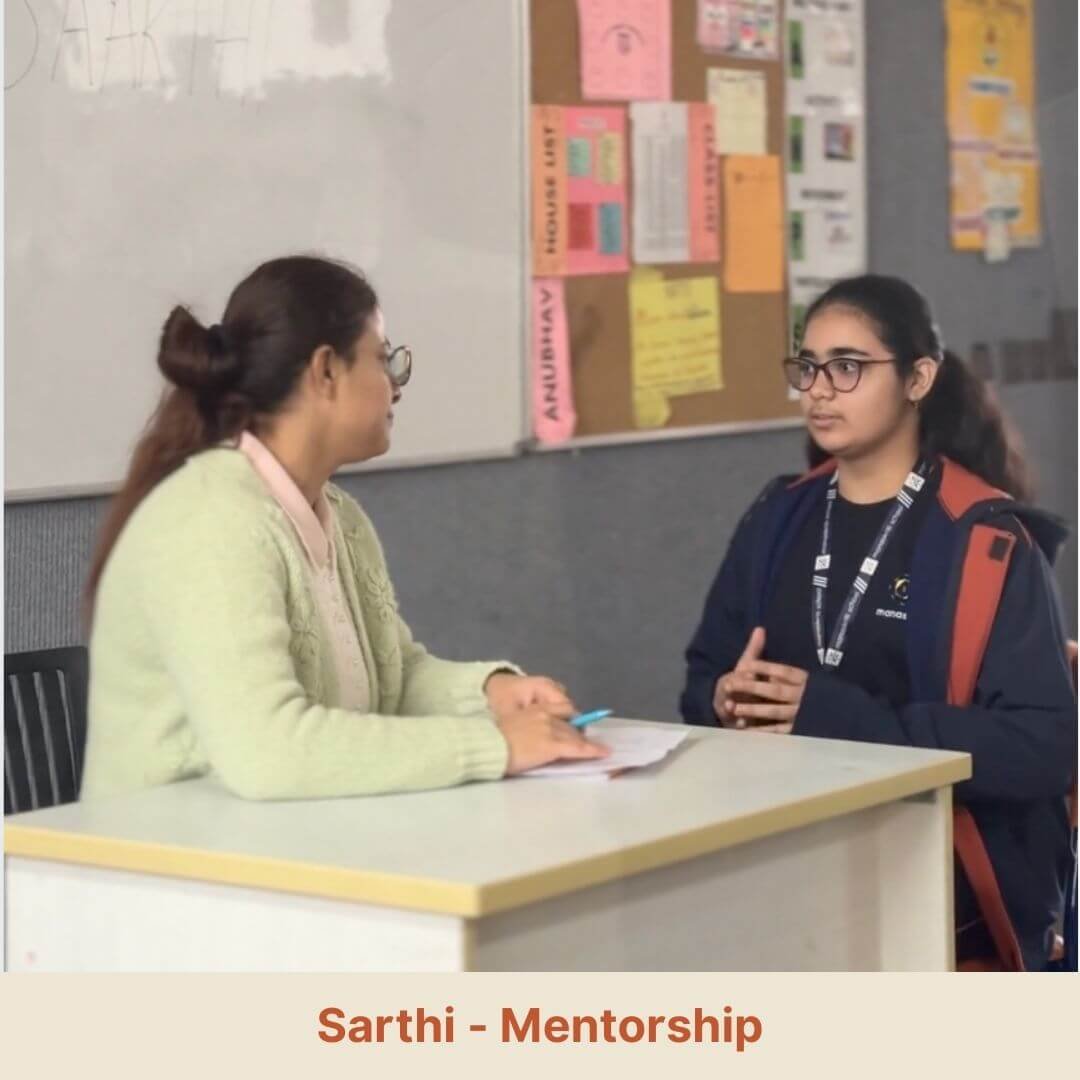
A space of trust and listening — where children are guided gently, finding strength in being heard and understood.
At Manaskriti, the environment is part of the learning process. A child may enter a lab, studio, court, library or garden — but the real outcome is confidence, curiosity, discipline, expression and a deeper connection with life.