
Experience
Students begin through activity, exploration, field exposure, models, projects, experiments or classroom simulations.
At Manaskriti School, experiential learning is not an occasional activity. It is a way of learning where students observe, question, explore, create and connect classroom concepts with real life.

The spirit of Manaskriti School that defines and sets it apart is the experiential learning path. In practice, it manifests as a way of life that is pursued across our learning frameworks.
With the Manaskriti mind as our key focus, experiential learning becomes a multi-dimensional, cognitive and engaging process. It helps define the role of the teacher, learner and community through meaningful learning experiences.
Students are encouraged to think independently, work collaboratively, observe carefully and connect learning with the world around them.
The process is structured enough to support academic growth and open enough to allow curiosity, creativity and discovery.
Students begin through activity, exploration, field exposure, models, projects, experiments or classroom simulations.
They discuss what they observed, what changed, what surprised them and what they need to understand more deeply.
Teachers guide children to connect experiences with concepts, subjects, values and real-life situations.
Learners use their understanding through projects, presentations, problem-solving tasks and collaborative work.
It begins with play and activity, then gradually becomes deeper through projects, inquiry, leadership and social understanding.
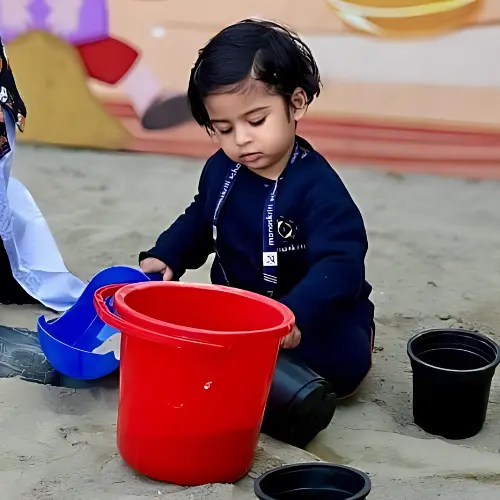
Children learn through play, activities, exploration, multiple-intelligence worksheets and joyful classroom experiences.
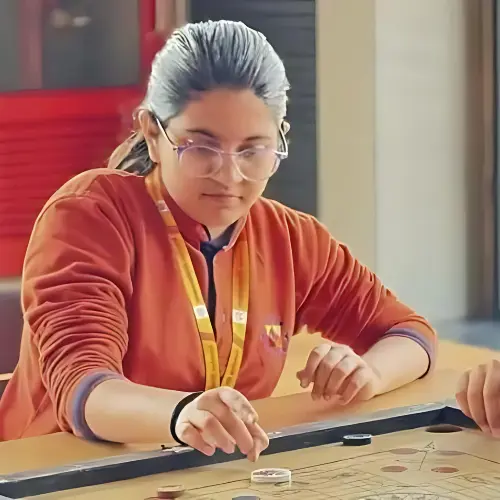
Students develop curiosity, teamwork, social understanding, leadership and the confidence to present their ideas.

Learners apply concepts through inquiry, mentoring, leadership opportunities, real-world exposure and future-focused academic thinking.
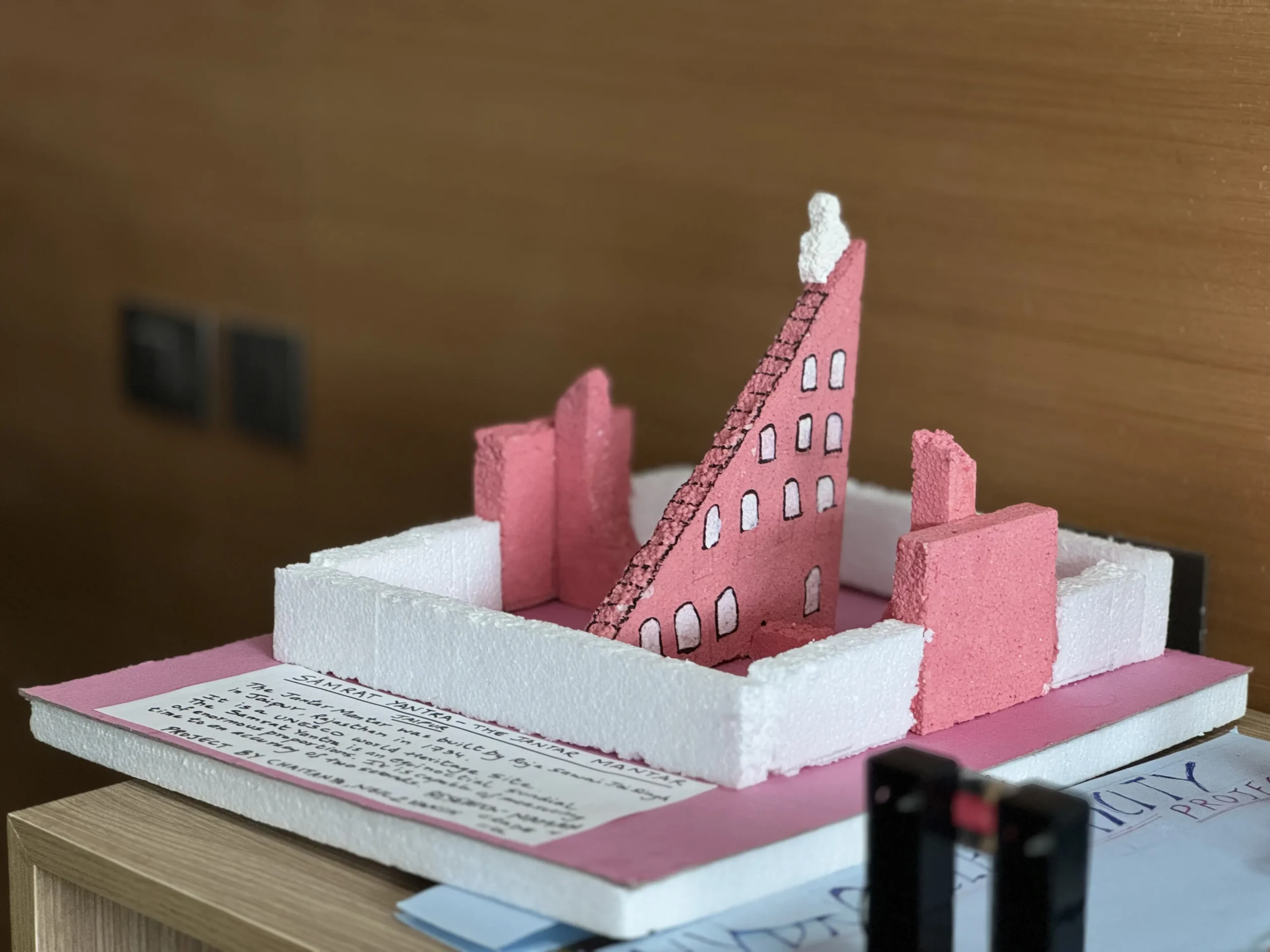
Through models, group work, presentations and project-based tasks, students learn to build understanding instead of only repeating information.

Group projects help students plan, divide roles, communicate clearly and learn from one another while creating visible learning outcomes.

Models and activities make abstract ideas easier to understand. Students see, touch, test and explain what they are learning.
A glimpse of classroom projects and hands-on learning practices at Manaskriti School.




Visit the campus to explore how experiential learning, activity-based classrooms, creative spaces and guided academic practices come together for children.